Summary
- Strategic Pivot: Developers are abandoning long-standing static content loops for new experimental mechanics
- Meta Shift: Transitioning away from pure DPS-centric builds toward tactical team versatility
- Future Vision: Long-term development focus shifts to pushing engine and design boundaries
GAMEPLAY VERDICT: B-Tier (Promising Direction)
The shift represents a bold gamble to keep a 16-year-old title relevant. By moving away from stale mechanics, the game gains significant potential for longevity, though the immediate impact on day-to-day gameplay remains theoretical until specific mechanical changes are implemented in upcoming patches. The transition effectively forces a meta-recalibration, shifting the focus from individual glass-cannon performance to cooperative synergy.
PLAYER FEEDBACK: Cautiously Optimistic
Community sentiment across forums is split between excitement for change and skepticism regarding the studio's ability to execute complex overhauls. Veteran players are vocal about the need for systemic depth, while newer players remain focused on the game's enduring accessibility. The general consensus is one of hopeful vigilance as the studio begins to walk back legacy design constraints.
Key Beneficiaries
Utility-focused commanders and support-oriented players stand to gain the most, as their previously overlooked skill sets become vital for success in the evolving meta. Furthermore, exploration enthusiasts who have long advocated for a shift away from combat-heavy grind loops will likely find more rewarding opportunities as systemic interaction becomes a priority.
Adaptation Required
Pure DPS min-maxers will need to overhaul their ship loadouts, as glass-cannon builds become increasingly liability-heavy in the face of complex environmental hazards. Standardized grinders will also need to adjust, as the move toward qualitative success metrics means that mindless, repetitive behavior will likely yield diminishing returns compared to strategic engagement.
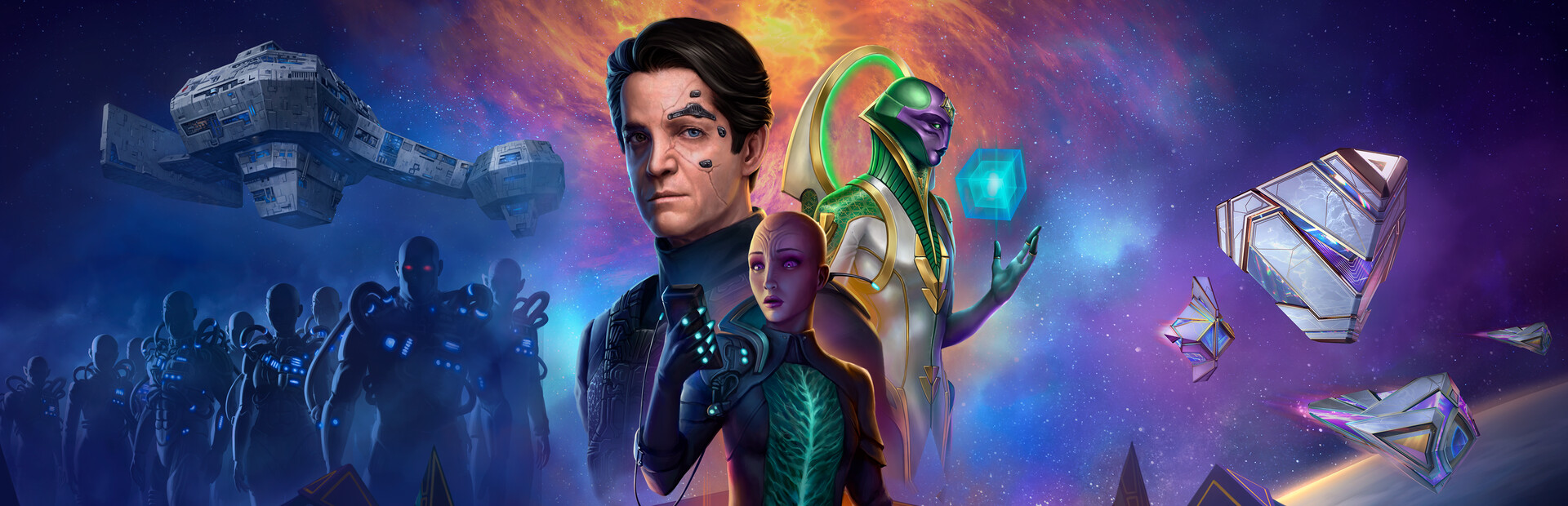
The 16th anniversary of Star Trek Online arrives as the game stands at a critical juncture. The commitment to pushing boundaries marks a departure from the maintenance-mode trajectory many long-term players feared, injecting a much-needed narrative of renewal into the franchise.
Theorycrafting now pivots toward how developers will integrate legacy assets into new systems. Beneficiaries will be those who value tactical diversity, whereas those wedded to static damage output may find themselves forced to rethink their entire fleet management strategy as complexity becomes the new baseline.
Can a veteran MMO truly reinvent itself without alienating its core audience? As the developers prepare to test these new waters, the final verdict rests on whether these changes facilitate deeper engagement or merely mask structural issues, making this a pivotal year for the franchise.
DISCUSSION: "What specific gameplay mechanic would you want to see overhauled or completely removed to make Star Trek Online feel like a modern experience again?"