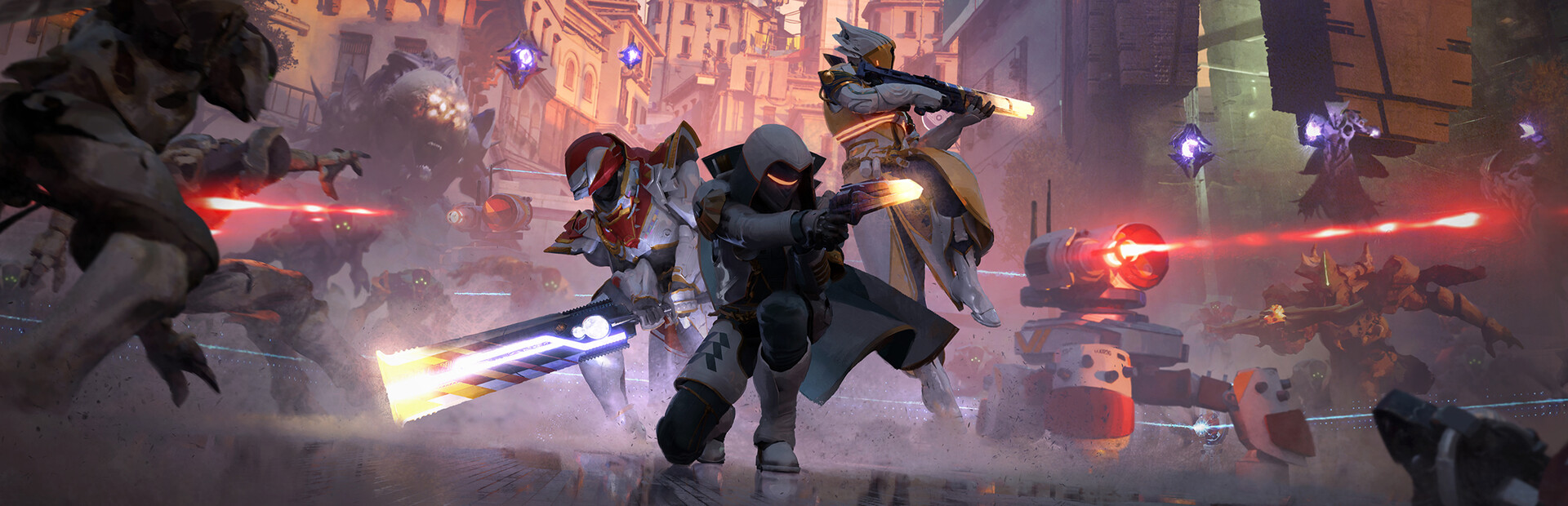
Destiny 2

The Final Sunset of the Traveler: Why Destiny 2 Is Quietly Fading Into History

As development support hits a hard ceiling, the player experience shifts from active live service to a hollowed out digital ghost town

Action RPG Maintenance 57 views

Summary

The decline of Destiny 2 represents one of the most significant fumbles in modern live-service history. What was once a titan of the genre has transitioned from a vibrant social platform into a digital relic, marked by administrative turmoil and the departure of the talent responsible for its most iconic moments.

The winners in this scenario are those who have successfully transitioned their passion into community-led initiatives, while the losers are the dedicated long-term players who now reside in an abandoned sandbox. We are left watching the final act of a production that prioritized leadership acquisitions and asset collections over the health of the player community.

As we look toward the future, one must ask: what happens when the final maintenance check is performed and the lights are cut for good? The story of Destiny 2 proves that even the most massive gaming empires are only one bad leadership decision away from complete oblivion.
Changes

Compare the current changes against the previous version.

The current state of Destiny 2 is defined by a complete cessation of active live-service cycles. Players are finding themselves in a sandbox that receives no new content patches or seasonal balancing, effectively locking the meta in a state of permanent decay. The primary mechanical reality is that while the servers remain online, the developer's inability to deploy hotfixes or live updates means that legacy bugs, such as minor clipping or outdated perk scaling, are now permanent features of the environment.

Without a rotating seasonal model, the build meta has solidified around static, high-utility setups that no longer face risk of power creep or adjustments. Players are largely left to self-regulate, resulting in a community that has moved toward performance art, such as community-made projects mocking the studio's leadership rather than engaging with the intended gameplay loop.